

Intro to use of SpacEdge Academy for Contributing Teachers.
This area holds only a short description of the course.
- Teacher: Admin User
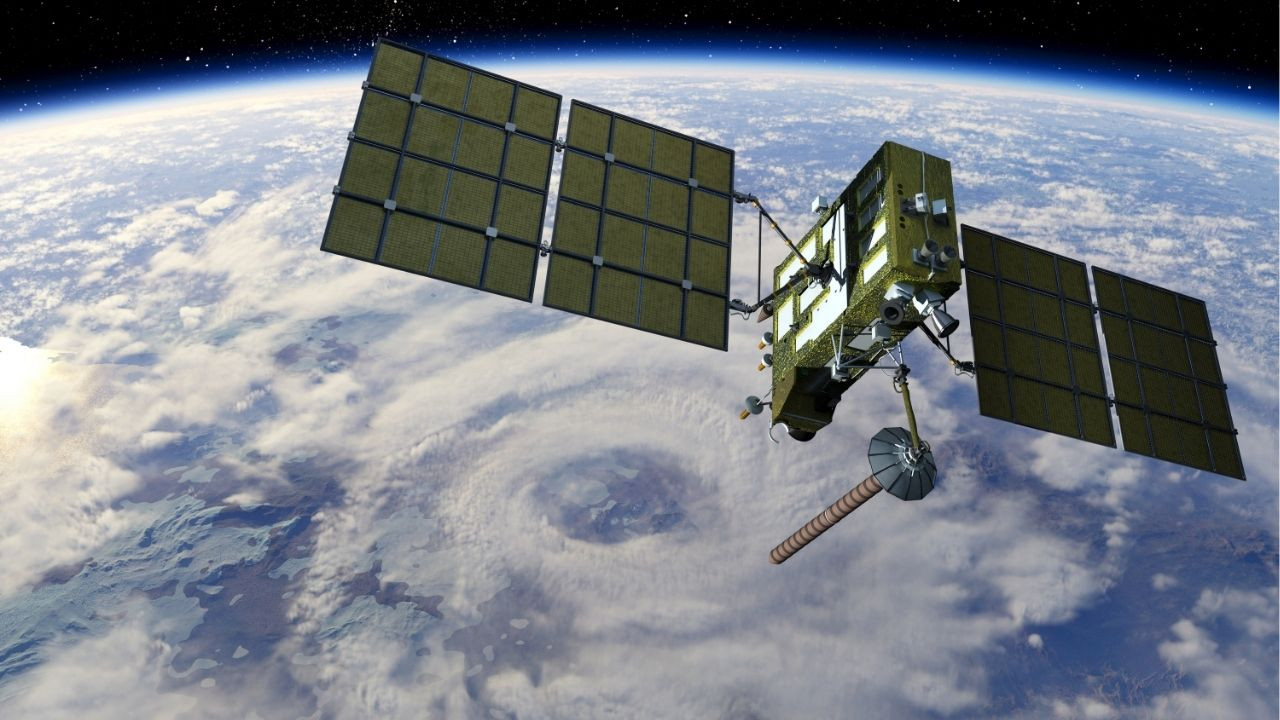
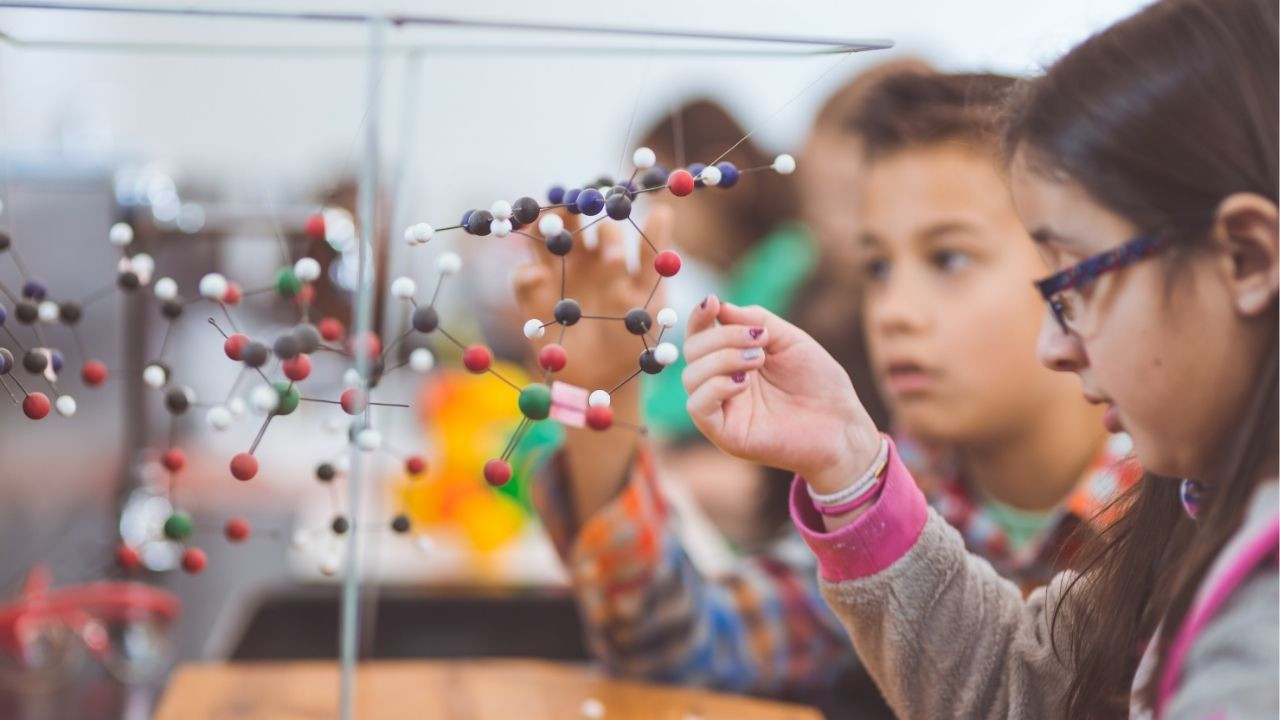
Space is not empty, but full of plasma and particles that you never expected to be there. "99.9 percent of the Universe is made up of plasma," says Dr. Dennis Gallagher, a plasma physicist at NASA's Marshall Space Flight Center. The magnetosphere surrounds and protects the earth from stellar plasma with a complex system of interacting electric and magnetic fields, electric currents and charged particles. Rockets, satellites and the International Space Station fly in plasma. Join us in learning about the exotic phenomena that surround the earth. Learn how the Earth’s magnetic field protects us from the hazards of space environment. This STEAM* workshop provides K-12 teachers with the background and activities to excite students to continue studying electrostatics, a wide application in many emerging fields of industry.
The PowerPoint presented leads the way to STEM activities that give opportunities for participants to understand how spacecraft send messages via radio waves to earth for deciphering of data and images that are collected in space and how the radio telescopes on tEarth receive the information from space.
The activities are easily usable in the classroom for grades 7 - 12 (ages 10 - 18).
This forum is yet another way to increase the awareness of the NSS mission of living and working in space!
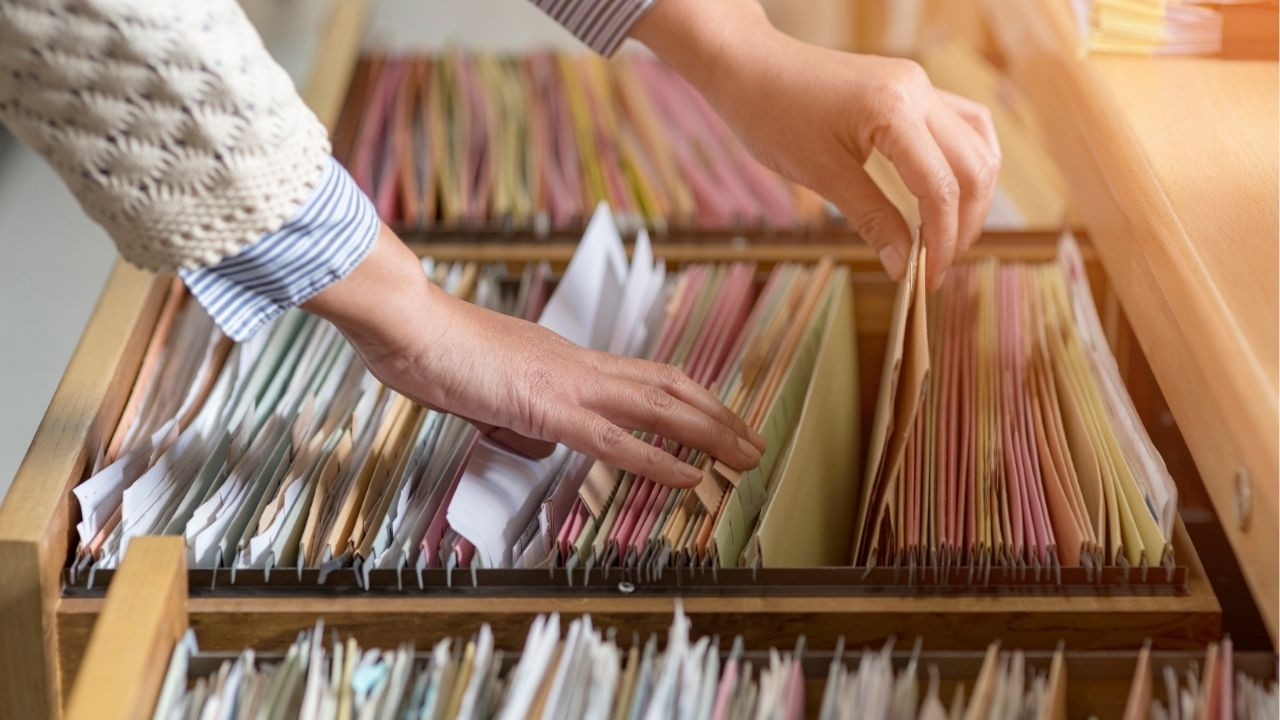
This section gives the teacher various resources to help them bring space to their classroom and school.
It has happened that administration is slow to support space education in the classroom, given the focus of educational standards and the pressure of state testing and results.
Hopefully these resources, which are updated on a frequent basis will add to your toolbox of materials to faclitate the process of exciting your students to the wide world of space and to help them find and enjoy their journey in the space industry pipeline a value projection of $1.3 trillion by 2035!
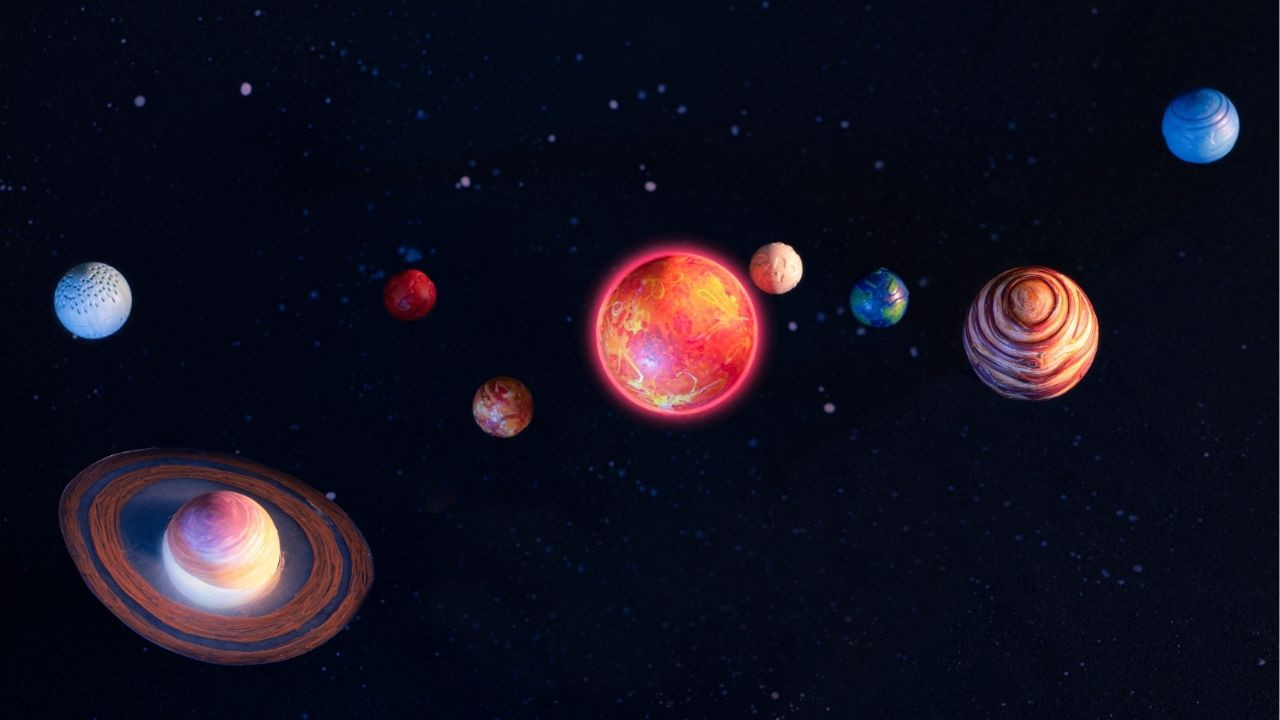
As of Dec. 12, 2025 research suggests that our universe hosts 4,341 confirmed exoplanets, 15,017 uncomfirmed planets
in 4,320 systems, 969 harboring multiple planets. NASA. Albedo, the radiant reflection of sunlight, guides our celestial quest. Join this riveting session to unravel energy transfer mysteries, discover exoplanets through a 'spinner' experiment, and decode albedo's cosmic secrets!This lesson takes a look at the detection of exoplanets, those orbiting stars outside our solar system using albedo. As planets or objects orbit a star, the brigtness of that star is diminised. This measurement gives us information about the orbiter. Taking a look at space object sizes, characteristics, and distance from Earth can be greatly defined by using albedo.
- Teacher: Xavier Gonzalez
This material is the product of a workshop presented at Yerkes Observatory, Williams Bay, WI by Lynne Zielinski and Frances Dellutri to teachers of ages 6-12. The workshop followed the path of Voyagers 1 and 2 as they leave our solar system headed for deep space. Time was given to discuss the implications of such interstellar travel.
Various presentations and activities centered around the actual path of the satellites as well as the communication of the satellites back to Earth. A tour of Yerkes Observatory was included in the full day workshop.
- Teacher: Frances Dellutri
- Teacher: Frances Dellutri
- Teacher: Kathy Gustavson
- Teacher: Lynne Zielinski
Presented: 2/7/2019
Presenters: Frances Dellutri and Lynne Zielinski
Attendees: Teachers from the US of students grade 8 - 12
Overview: Tracking Satellites, Orbits, and Monitoring
Participants will take away some online tools, NASA resources, and a working knowledge of orbits and orbital mechanics. Participants will learn how to model (2D and 3D) orbiting bodies that can be used to locate and track satellites visually and electronically in real-time. They will be able to apply data to understand the shapes, types, scale, and locations of satellite orbits. Participants will take away a greater depth of knowledge that can be applied to classroom physical sciences, Physics (Classical Mechanics), and Mathematics (Trigonometry and Euclid’s theories of proportions and ratios). Participants will take away that satellite tracking and orbits can be an exciting way to enrich or adapt curriculum to fit the needs of the student. Through the LEO Art Challenge activity participants will take away the knowledge gained in this session and apply it to a new art from to show how it can be used to communicate science topics.
The LEO Art Challenge is offered by the National Space Society to ages 10 - 18 and has been presented in teacher workshops to several different venues.
Application: STEAM: Science, Technology, the Arts and Math
Classroom age appropriate: 10 - 18
